
Turning one local story into multiple pieces of content works well for getting more value out of your reporting and meeting the interests of different audiences. I’ve found that a single news event, profile or community trend can lead to many types of content with just a bit of planning and some practical creativity. Here, I’m sharing what I’ve learned about really making the most out of one story idea. This is perfect if you want to get more out of your reporting efforts or simply want a fresh approach to storytelling.
How a Single Local Story Offers Many Content Opportunities
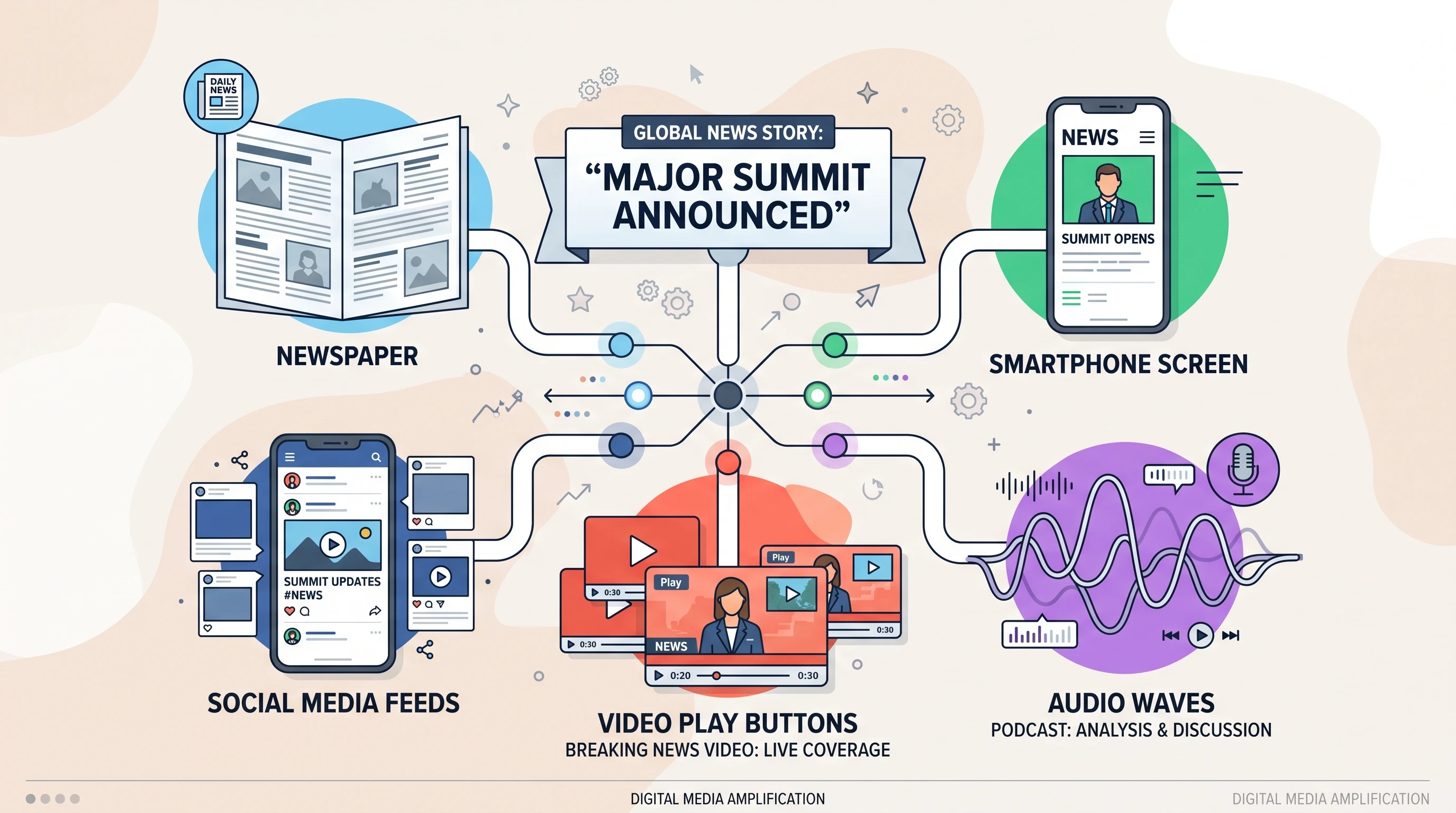
Starting with just one local story, you can create many pieces of content that appeal to different interests and platforms. For example, a report on a new park opening could be written as a news article, a photo essay, a short video and a roundup of community reactions. The key is in seeing the angles and formats that best serve both your audience and the story itself.
Local stories have built-in relevance for your audience, which means they often inspire engagement and sharing. This focus can help build authority and trust with your readers while also supporting your SEO goals, since rich original local content tends to perform well in search. It’s also a great way to build relationships with local sources… people can spot when their perspectives are being shared in meaningful, diverse ways and they’re more likely to cooperate next time around.
Getting Started: Finding the Core Story and Its Branches
I start by outlining the main facts and central people involved in the local story. I look for quotes, data and images that could catch a reader’s attention. Then, I create a list of questions and side topics that come up along the way. For instance, if a farmers market expands hours, there’s the basic event, plus the stories of local vendors, the impact on the neighborhood and city planning decisions behind the move. Sometimes, I reach out to community organizations or local historians for context, as they can share unique perspectives that add depth.
- Core Story: What happened? Who’s involved? Why does it matter?
- Side Angles: Are there personal stories from people affected? Are there related policy changes?
- Visual Elements: Which moments can be shown in photos or video? Is there a map or chart that helps?
Breaking it down this way makes it easier for me to spot which details could work for a quick update, a deep explanation or something more visual. I try to pick out potential storylines as early as possible… this lets me game plan how to gather material while reporting, saving time down the road.
Easy Formats to Repurpose Content
After sorting through my notes, I usually choose a few formats that fit naturally with the story. Here are some practical approaches that have worked for me, whether I’m trying to reach print readers, digital subscribers or social followers…
- Standard News Article: This covers the who, what, where, when and why. It’s the foundation that establishes the main facts for your audience.
- Photo Gallery or Slideshow: Use photos from the scene, highlight key people and show before-and-after shots. These visual pieces do well on social media and news websites alike. Galleries can feature special moments… like ribbon cuttings or community reactions… that wouldn’t always fit in a traditional article.
- Q&A with Key Players: If there’s a central person or expert, a simple question and answer session works well. I prepare questions that fill in important background or explain how decisions were made. Sometimes, a local business owner or city leader can answer recurring community questions in this format.
- Short Video Recap: A quick video with voice-over or text overlays often helps reach audiences who prefer visual content. Even a one-minute summary with video clips or animated graphics makes the story more accessible and sharable. Videos can also boost your content on platforms like YouTube and Facebook.
- Opinion Piece or Analysis: I take one theme, such as the economic impact and go deeper. Inviting a local leader or specialist to share their take adds credibility and fresh insights. Sometimes, I frame these as open letters or op-eds to highlight real community opinion.
- Social Media Threads: Breaking down the story into a sequence of tweets or Instagram posts helps make information digestible. I use main quotes, one photo per post and answer reader questions in the thread. Quick polls or story quizzes can also increase participation in these spaces.
With so many formats available, it’s easier than ever to mix things up and keep your coverage fresh… just pick the ones that play to your strengths and interest your audience.
What to Consider Before Repurposing Local Stories
Some stories naturally lend themselves to multiple formats, but not every story works everywhere. I weigh a few important things each time I think about breaking one idea into multiple pieces…
- Audience Preferences: Are readers curious about quick updates or do they want detailed analysis?
- Platform Strengths: Visual stories work better on Instagram, while long analysis might appeal to newsletter subscribers or indepth blog readers.
- Timeliness: Breaking news needs a fast article and maybe a quick social post, while personal stories or profiles can be shared over several weeks.
- Depth and Detail: If you only have a press release to work from, it’s tougher to create Q&As or videos. Inperson reporting gives more material to play with and step up the quality.
Audience Attention
From experience, I’ve found it really important to think about what part of the story will keep people interested. For example, a behind-the-scenes photo gallery or quick speedreel on TikTok often gets more attention than a standard article link. This also helps trigger comments and sharing, which gives a boost to audience engagement and can spark new story ideas.
Platform Differences
My readers prefer quick-hit headlines and strong visuals on Facebook, but on a blog or website, longer explainers and interactive timelines end up being more useful. TikTok or Instagram Stories work well for short interviews and community reactions, while podcasts may reach different demographics that aren’t always on social media.
Challenges to Look Out For
- Repetition: There’s a risk of content feeling repetitive if every piece says the same thing. I address this by focusing each format on a distinct angle or voice, such as featuring a different community member or highlighting unique data in each variation.
- Overextending the Story: Not every event has enough detail for a full social campaign, Q&A and infographic. Sometimes, the best results come from choosing just two or three formats and doing them well rather than spreading resources too thin.
- Deadlines and Workflow: Tight schedules can make it hard to develop photos, edit audio and create text all at once. I usually set a plan and timeline before starting, so the work feels manageable and I don’t miss important publishing dates.
Things That Make Repurposing Smoother
Having a content calendar with flexible posting slots helps. I’ll often batchedit photos first, draft text updates and collect quotes, so I can adjust based on audience reaction. I also use feedback from one format, like comments on a Facebook post, to shape follow-up pieces or FAQ articles. Checking analytics gives clues about which formats got the most reach or engagement, so I can focus future efforts in those areas. Over time, this makes your workflow more efficient and helps you spot trending topics earlier.
Tips for Generating Multiple Content Ideas From One Story
I use these strategies regularly to find extra ideas in local stories…
- Map out all the key people, decisions and locations connected to the main story. Each node could become its own side story, giving each person or milestone its own spotlight.
- Collect more quotes and photos than you need for one article. Spare material often inspires variations, like a standalone Q&A, a “Day in the Life” feature or even a data visualization piece.
- Ask community members or experts for input. Their perspectives often highlight new angles worth sharing in an opinion column, audio interview or feature article. You might also stumble upon related trends or social issues that deserve their own coverage.
- Link content across platforms. For example, a blog post can direct readers to a photo gallery, a video highlight reel or a discussion thread elsewhere online.
- Monitor social engagement to see what readers are most interested in. Then, create followups or FAQ responses based on their questions. This keeps the conversation going and ensures content stays timely and relevant.
Sometimes, I even revisit an old story with a fresh format or updated angle, creating a mini series that draws in both new and returning readers.
Sample Workflow: From Pitch to Multi-Platform Content
When I turn one local event into a content package, my routine looks like this…
- Research the main event, interview key people, take photos and video and record sound bites if possible.
- Create the main article or written summary to establish the basic context and facts.
- Edit a selection of photos for an easy to scroll gallery. Add simple captions for clarity… short notes on who’s pictured or what’s happening help readers stay oriented.
- Cut a short video with key moments, overlaying text to highlight stats or quotes from interviews. Where possible, add subtitles for accessibility.
- Group the best soundbites or comments for use on radio, podcasts or a text Q&A. Soundbites can also be used as teasers in social media stories.
- Prepare a line-up of social media posts, each sharing one aspect, such as a single quote or surprising fact and invite comments or sharing. I might tease the full story with an intriguing behind-the-scenes image or question to the community.
- As feedback and questions come in, develop one or two follow-up articles or posts addressing new angles that readers are curious about… for example, a reaction roundup or deeper dive into a key issue raised in comments.
This workflow maximizes the reach and impact of the reporting, while also making efficient use of sources and materials I’ve already gathered. By planning with multi platform content in mind, I can respond faster to audience interests and keep coverage lively across channels.
Common Questions About Content Repurposing
Based on what readers have asked me, here are some answers to popular questions around repurposing local news content…
Question: Can I use the same quotes or images in every format?
Answer: I recommend varying quotes and images between content pieces when possible. Using a fresh angle or new supporting detail for each helps keep the content interesting and avoids reader fatigue. If you must reuse a quote or photo, try presenting it in a different context or alongside new information to keep it fresh.
Question: How do I choose which content types to use?
Answer: I consider the story’s strongest elements, such as photos, people or data and match them to formats where they catch the most attention. My approach is to test and revisit formats to find out what actually works with my audience, occasionally surveying readers or looking at analytics for even more insight.
Question: Is it worth making both video and written versions?
Answer: If I have strong visual or audio material, I find it’s worth adapting the story for video or a podcast, since those can set free extra reach and suit different audience preferences. Even if production resources are limited, short clips or basic voiceovers can provide value and variety compared to text-only content.
Ways to Keep Content Fresh and Useful
Rotating formats and experimenting helps prevent repetition and keeps the newsroom or creative team motivated. I regularly review which approaches perform best each season and adjust going forward. Inviting other voices, including readers’ opinions or experts as guest authors, brings fresh energy and keeps each version original.
Today’s audiences want information that’s easy to access, quick to understand and visually appealing. By making one story work harder across many types of content, I’ve found it’s possible to keep readers involved, expand my coverage and better serve my local community. The extra payoff is a more dynamic newsroom and a reputation for storytelling that adapts to readers’ changing habits.