
Sponsor kits are pretty handy tools when you’re trying to land partnerships for your local newsletter. A great sponsor kit can make a world of difference between just getting noticed and actually bringing sponsors onboard, especially if you’re reaching out to businesses or brands that get hundreds of pitches every month. I’ve put together everything I’ve learned about building a sponsor kit that not only gets opened but also gets real results.
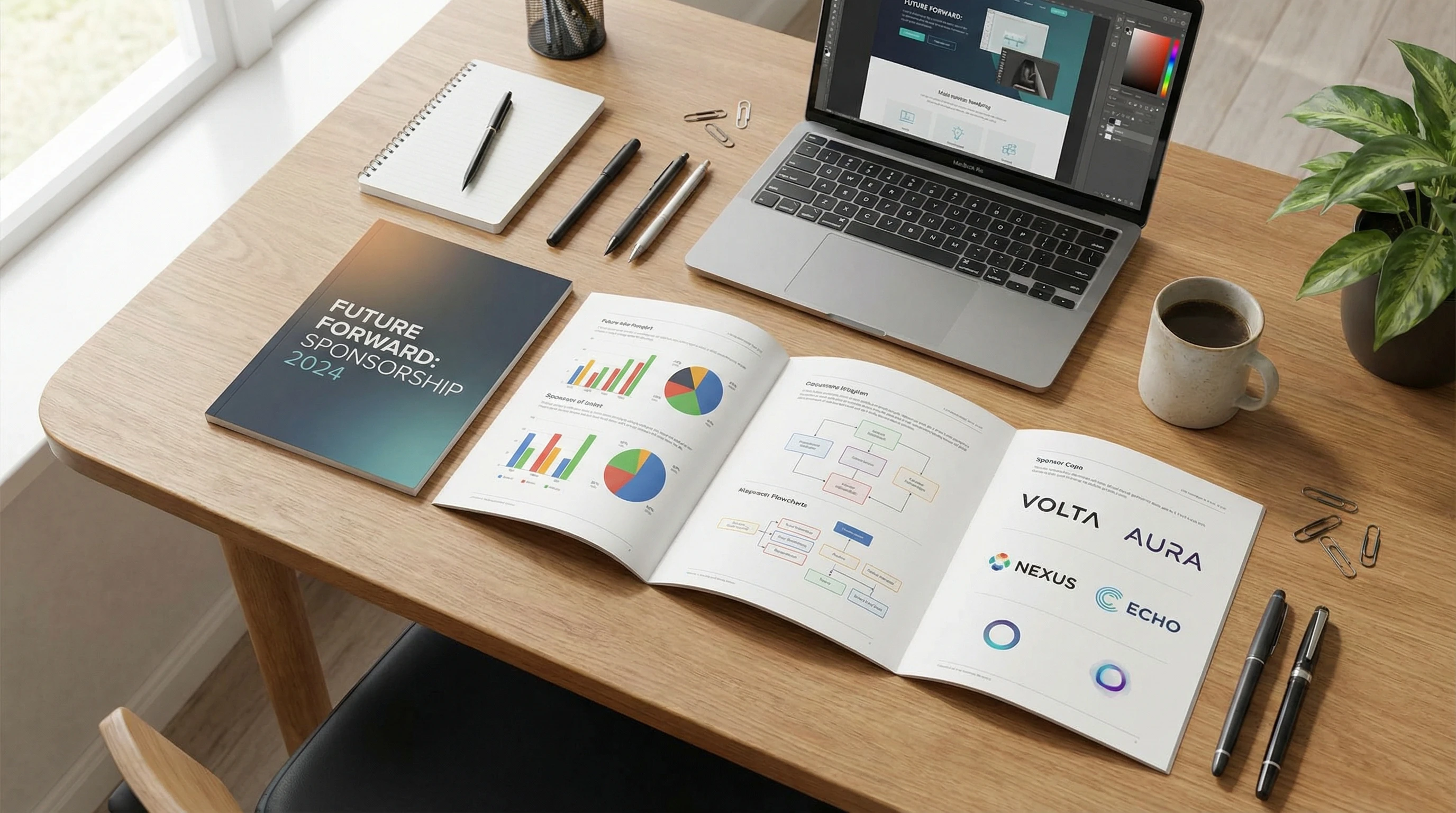
Why Having a Sponsor Kit That Converts Really Matters
A sponsor kit isn’t just a checklist or a packet you toss over to potential sponsors. It’s actually your first big impression… the way you present what you offer, why it’s worth backing and how their brand will benefit. Especially in 2026, when brands are watching every marketing dollar, sponsors are looking for compatibility, value and clear ROI. Making your kit stand out in a sea of generic proposals can make all the difference.
I remember sending out my first sponsor pitches with a rushed, copy-paste deck and hearing nothing but silence. But when I switched things up, personalized my info, and showed sponsors exactly what was in it for them, my reply rate shot up. Brands really do notice the extra effort put in and being genuine goes a long way.
What You Actually Need in a Sponsor Kit
Even if you’ve never built a sponsor kit before, getting all the important elements in one place isn’t too complicated. Sponsors want to see who you are, what you’ve done and how their involvement will help them. Here’s a rundown of the basics I always include…
- Executive Summary: A quick overview of your local newsletter, with highlights about your audience and reach.
- Audience Details: Real numbers about your audience’s size and demographics (age, location, interests). This is probably the most important part for sponsors.
- Sponsorship Opportunities: Specific packages or ideas, tailored to different business sizes or goals.
- Benefits for Sponsors: This is where you connect the dots and show what sponsors get in return.
- Case Studies and Testimonials: A few short stories or quotes from past sponsors add credibility.
- Contact Information and Next Steps: A friendly, clear call to action so sponsors know exactly how to move forward.
Building Your Kit Step-by-Step: Tips That Help You Convert
Here’s how I break down the process when working with clients or working on my own projects. Each piece works together to boost your chances of landing a sponsor that actually fits. You can follow these steps whether you’re building your first kit or just updating it.
1. Nailing the Introduction
Your introduction doesn’t need to be long or overly fancy. Set the scene… explain who you are, what inspired your project and what makes it relevant right now. If you have any big achievements or numbers (like a 10,000 attendee turnout last year or a cool press feature), put these right up front. A sentence or two about your mission or story also helps sponsors get a sense of your passion and authenticity.
2. Showing Off Your Audience
Numbers talk. Brands want to know who will actually see their logo or products. I always recommend including…
- Detailed demographics, such as age range, location, profession or interests.
- Platforms you use to reach your audience: Instagram, email, videos… break these down with stats (like followers, open rates or previous reach).
Even if your audience isn’t massive yet, sponsors care about engagement and fit. Share testimonials from attendees or examples of past interactions. An engaged smaller audience is often better than a huge, disconnected one.
3. Making Sponsorship Options Super Clear
This is where a lot of kits go vague, but being specific gets better results. Lay out actual ways a sponsor can get involved. Here’s how I usually structure it…
- Tiered Packages: Bronze, Silver, Gold… or even custom names that suit your community… that match different marketing budgets. Each tier should list out what’s included (logos on banners, speaking slots, sponsored content, co-branded swag, etc.).
- Room for Customization: Leave the door open for creative ideas. Sponsors can suggest involvement that fits their interests, which shows flexibility on your part.
4. Focusing on Value (What’s In It for Sponsors)
Sponsors aren’t donating; they’re investing. I like to frame every benefit in terms of their exposure or engagement. These might include…
- Email subscribers reached with sponsor content
- Onsite activations where products or branding are front and center
- Social media impressions and engagement numbers
- Mentions in press releases or news articles
If you have actual results from past success (“400 Instagram story mentions in one weekend” or “featured in two major blogs”), add those. Tangible numbers and real-world examples help sponsors picture what to expect.
5. Backing It Up with Real-World Results
Adding a few case studies or testimonials from past sponsors goes a long way in showing you follow through. Even if you only have one or two examples, include them… something like, “XYZ Company saw a 30% jump in sign-ups after our last ad.” Make them short, focused and easy to scan. This boost in trust can be what sets your kit apart from the rest.
6. Making it Easy to Say Yes
End your sponsor kit by laying out the next steps clearly. Whether it’s a link to your calendar, a direct email or a QR code for quick responses, ensure potential sponsors don’t have to hunt for your contact details. Say you’re happy to jump on a call, answer questions or send additional info… this warm, friendly close makes a bigger difference than you might think.
Common Roadblocks, and How to Get Past Them
Even with a detailed sponsor kit, you might hit a few snags. These are the most common issues I’ve seen, plus what works to get around them…
- No Response from Sponsors: Sometimes it takes a couple of follow-ups. Rework your email subject line, personalize each pitch and engage with the sponsor on social media before sending your kit.
- Low Budget Feedback: If sponsors say your packages are out of reach, look at creating a smaller, entry-level option. It’s amazing how many long-term partnerships started with a single, affordable package.
- Lack of Data: If your stats feel slim, lead with stories, honest testimonials or unique engagement ideas that might catch a sponsor’s eye. Don’t be afraid to share your vision… passion and creativity can be very attractive to sponsors.
Extra Tips to Make Your Sponsor Kit Pop
A few small tweaks can make your kit more clickable and memorable. Here are things I try to keep in mind every time I build a new one…
- Use strong visuals and branding, like sharp logos, signature color schemes and real photos. Skip cheesy stock images whenever you can.
- Keep things concise: busy sponsors skim, so bite-sized sections and bullet points help your message land.
- Make your kit interactive: Digital PDFs with clickable links, an optional video intro or built-in multimedia bring a kit to life. Sponsors notice effort and creativity.
- Be transparent: If something’s open for discussion, mention it. Flexibility and honesty go a long way.
- Refresh your kit: Update audience numbers, visuals, packages and testimonials regularly. Keeping current shows you’re active and engaged.
Additionally, a strong cover page with your logo, a catchy tagline and a great visual leaves an awesome first impression. Consider including a one-page highlight reel of your local newsletter and/or community, too… sometimes this is all a decision-maker needs to give your proposal a closer look.
Frequently Asked Questions About Sponsor Kits
I get questions about sponsor kits all the time. Here are a few of the most common ones, with my best answers…
Question: How long should a sponsor kit be?
Answer: Around 4 to 8 pages works best, which is enough to cover all your key info without overwhelming. Digital kits can always include links or extras for deeper dives if sponsors want more details.
Question: Do I need fancy graphic design?
Answer: Clean, organized layouts work really well, even with basic tools like Canva or Google Slides. Just make sure it looks polished and easy to read. If you have access to a designer, that’s great, but it’s not a must.
Question: How do I personalize my kit for each sponsor?
Answer: Start with a solid template but mix in custom audience info or highlight ways your offer aligns with the sponsor’s brand values. Even a personalized greeting in your intro can help your pitch stand out.
Real-Life Sponsor Kit Success: A Quick Example
For a local newsletter we owned, we used a sponsor kit that made a point to highlight audience data down to the city level, offered a limited “Presenting Sponsor” option, and showcased real testimonials right before the call-to-action. By making the kit super easy to scan, using concise bullet points and layered visuals, we secured five sponsor sign-ups in just two weeks. Small, well-thought-out tweaks like these can really change your results.
Key Items to Remember
Building a sponsor kit that converts isn’t about flashy graphics or industry jargon. It’s about making it easy for sponsors to see what you do, who you reach and why backing your project is a smart move. Keep things clear, honest and easy to act on and you’ll start seeing better results… sometimes faster than you might expect.
Start building your kit today and keep tweaking based on sponsor feedback and results. The right approach brings in partners that stick around for the long haul. With every new partnership, take time to capture feedback and updated stats, so your next sponsor kit is even better than the last. Good luck!