
Figuring out the right amount of content for a local newsletter is one of the trickier parts of creating something readers look forward to. If there’s too much, people might not get through it… too little and your newsletter might not feel worthwhile. After testing different lengths, talking with other newsletter creators and studying feedback from all kinds of communities, I’ve learned it’s really about finding a sweet spot that fits what both you and your audience want. Here’s how I usually think through making a local newsletter that feels full, but not overwhelming.
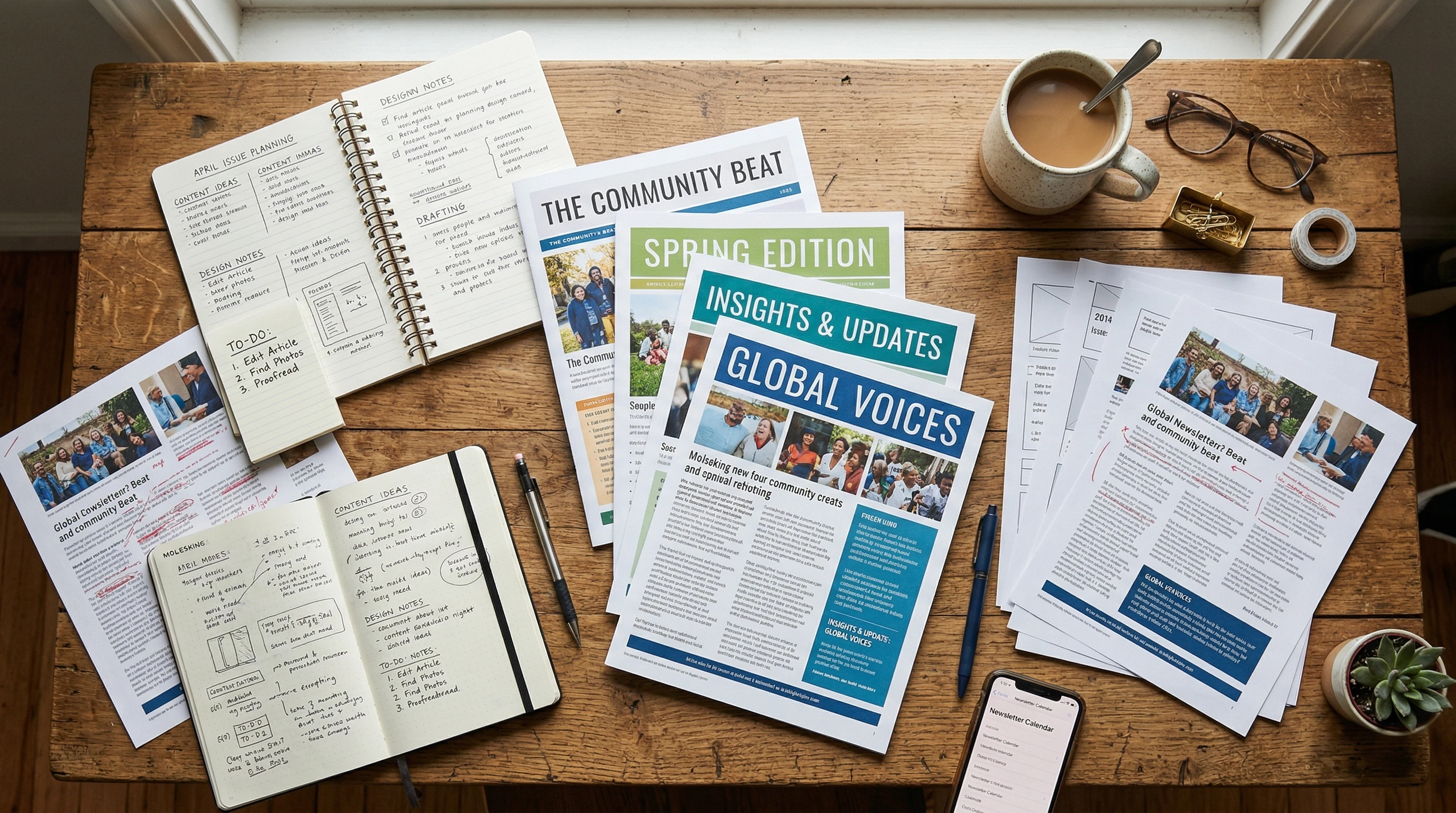
What Really Matters in Local Newsletter Content
For any local newsletter to land with readers, content has to feel useful, interesting and just the right length. People today are pretty short on time, so being efficient really helps. I always start by asking myself what I’d want to read if this arrived in my own inbox. Local news is a crowded space and a newsletter works best when it provides something folks actually look forward to scanning through… think neighborhood updates, event calendars or cool finds.
Relevance matters more than word count. Sometimes, three short updates and a list of weekend events are better than a massive 2,000 word deep dive nobody asked for. I’ve seen a lot of community newsletters thrive by keeping it light and scannable, with the most important info up top. If you’re ever stuck, check out what popular newsletters in neighboring cities are sending every week… it helps to track down new layout tricks or topics.
Also, keep an eye out for trends: sometimes readers crave event roundups and other weeks, a spotlight on a local hero is what gets people talking. By mixing up content here and there, you can get a sense of what keeps your subscribers engaged over time.
How Much Content Is Enough?
There’s no perfect formula, but I usually target 350 – 750 words for a regular weekly or biweekly newsletter. At this length, you can still offer value with a handful of local headlines, one or two feature stories or interviews and a calendar of 5 – 7 listings. If your newsletter goes out monthly and serves a bigger town or city, it’s totally fine to stretch up to 1,500 words. Splitting content with bullet points, boxes and visual breaks keeps things readable and makes sure people don’t quit before hitting the end.
I’ve found people don’t mind a slightly longer newsletter if each section is clearly labeled and easy to scan. Breaking text into sections with subheadings keeps it from feeling overwhelming. You might have segments like…
- Quick Updates: Short news bites or municipal changes
- Spotlight Story: A feature on a resident or local business
- Event Calendar: The coming week’s can’t-miss activities
- Local Voices: Reader submissions, recipes or opinion pieces
This approach lets readers focus on sections they care about while skipping what doesn’t interest them. Sometimes, adding a “Did You Know?” trivia fact or “Local Snapshot” photo breaks up longer reads and invites people back week after week.
Understanding Your Audience: Surveys and Feedback
Getting to know your readers is the fastest way to figure out how much content they want. I like to send occasional feedback surveys (using tools like Google Forms or Quizforma) to ask questions like…
- How far do you usually read before stopping?
- What’s your favorite section?
- Do you prefer one longer story or more brief updates?
- Is there anything you wish we’d include, like pet adoptions, classifieds or reviews?
Open reader feedback also helps highlight things you might not notice, like sections people skip or more topics they want added. Sometimes, the comments are super specific… “I only read the events section” or “I’d love a quick business roundup each week.” I always pay attention to replies because they’re an easy way to calibrate content volume.
If your audience is made up of busy families, a quick, to-the-point update might be the best fit. If you’re serving a crowd that’s pretty invested in local issues, longer essays or get into deep local policy won’t scare them off. Many people appreciate the option to read a longer piece when it’s about topics close to home.
Balancing Different Types of Content
Mixing up short and long items is surprisingly effective for local newsletters. A solid basic structure might look like…
- Headline news: 2 – 3 lines each, very punchy
- Main story: 200 – 400 words… a feature article, interview or profile
- Calendar: Bulleted, easy to skim
- Short local tips or resources: Even just a sentence or two
Adding in recurring columns, such as “Business of the Week,” “Local History,” or “Kids’ Corner,” gives consistency and delivers the kind of variety most readers want across issues. I also like to use images, icons or dividers to break up blocks of text. Even with more content, these details help busy readers get what they want quickly. If you ever feel like you have too much, try splitting stories across multiple issues or offering a summary in the main email with a “Read More” link out to your website. Over time, you’ll track down what mix of story types gets more clicks or repeat engagement.
Practical Tips for Finding Your Newsletter’s “Just Right” Length
- Skim Test: I always preview my own newsletter on my phone and scroll top to bottom. If I start zoning out, it’s a clue to shorten or clarify.
- Know Your Frequency: Weekly newsletters rarely need to be over 700 words. Monthly newsletters can be longer since there’s more to cover.
- Prioritize the First Screen: Start strong with your most important content. The majority of people may never scroll, so lead with what truly matters.
- Link Out: Linking to a website or social posts for bonus reading helps readers who want more detail, but keeps the newsletter itself tight.
- Feature Recurring Sections: Predictable segments (like “top three things to know” or “this weekend’s events”) set reader expectations and make it easy to scale up or down as needed.
Also, don’t be afraid to toss in a quick poll or fun fact when you have a little extra space. It keeps the newsletter feeling fresh and gives your audience something interactive to enjoy on slow news weeks.
Common Mistakes to Avoid in Newsletter Content Length
- Wall of Text: Large, unbroken paragraphs are almost guaranteed to be ignored, even if the info is great.
- Overloading Every Issue: Packing every single update into one newsletter can actually backfire. I keep a running doc of “future items” so nothing gets left out but content isn’t crammed.
- Too Few Visuals: Even just one photo, map or graphic helps break up text and make a newsletter feel polished.
- Ignoring Open Rates: If open or click rates drop, it’s often because people are overwhelmed or bored. Shortening up can be a simple fix.
Quick Review: How I Assess Content Volume
I run through a basic checklist before sending…
- Does everything fit on a standard smartphone screen without endless scrolling?
- Can someone get the gist by reading just headlines or bolded text?
- Are there natural breaks (like line dividers or bullet lists) to make skimming easier?
- Did I link out instead of making every story a 500 word essay?
If the answer is yes to most of these, I know I’m in a good spot. And don’t forget… sometimes less really is more, especially around holidays or during community emergencies.
Real Life Examples: Newsletter Lengths That Work
Local newsletters look different everywhere, but some patterns pop up over and over. A neighborhood roundup for my small town recently switched from 10 stories per issue to just 3 – 4 and the response was really positive. Open rates went up and people started replying to share their own news more often. On the other hand, the citywide monthly from our main newspaper is about 1,500 words, but each section is short and clearly labeled. People just scroll to what matters most. Both approaches work, since they’re tailored for their specific audiences and delivery schedules.
Last year, I tested out a “mini newsletter”… under 300 words… for a holiday week. Surprisingly, it was one of the most-read issues. Turns out, during busy times, folks actually appreciate an ultra brief update and quick links out to more in depth stories. I’ve also stumbled upon examples where a feature article on a beloved local teacher or business owner made people write back saying they felt more connected than ever to the community. When in doubt, it’s worth trying out different formats and checking your stats.
Frequently Asked Questions About Newsletter Content Volume
How do I know if my newsletter is too long?
Most people will let you know by clicking away or not finishing. Tracking open and click rates is a quick way to check. “Too long” usually means readers aren’t getting to the end or important info is buried in the middle. If you spot a noticeable drop in engagement, it might be worth breaking down your most recent issue to see where people stop reading.
Should I send more frequent, smaller newsletters instead of one big monthly?
This depends on your topic and how fast local news changes. Weekly or biweekly “quick hit” formats are easier for busy readers and less likely to end up in the trash unopened. If news comes up fast in your area, smaller, more frequent updates might keep people engaged. Think about using an occasional midweek “alert” for urgent updates and see if engagement jumps.
Is it ever okay to send a very short newsletter?
Absolutely! Sometimes a 150 word event reminder or community alert is perfect. As long as what you’re sending is useful and timely, length isn’t the main thing people care about. In fact, some readers see a super short note as a sign you value their time.
Key Takeaways for Creating a Readable, Impactful Local Newsletter
Meeting your readers where they’re at is more important than word count. For most local newsletters, a 350 – 750 word range with a few well organized sections feels approachable and friendly. Stick to headlines, add a feature piece and finish with scannable lists… don’t worry about hitting an exact number every week. Tracking feedback and data will help you land on what feels right for your unique audience. The aim isn’t about meeting a magic length. It’s about creating something people actually want to read and sometimes, that just means trimming the fluff and keeping things real. Jump in, mix up your format once in a while and you’ll stumble upon that perfect balance for your own community.
I really enjoyed this breakdown on finding the right balance for local newsletter content. It’s interesting how there’s no fixed formula, but instead it really comes down to knowing your audience and what keeps them engaged week after week. I especially liked the idea that consistency and relevance matter more than just trying to fill space with as much content as possible. In my experience, readers seem to appreciate a mix of useful local updates, events, and small stories that feel personal rather than overwhelming.
It also made me think about how easy it is to either overpack a newsletter or make it too thin, and both can affect engagement. Finding that “just enough” level feels like a moving target that depends on feedback and testing. How do you personally decide when a newsletter issue has the right balance of depth versus simplicity for your audience?
100% agree, it really is a moving target.
For me, the biggest thing is not guessing. I like to tag different types of content and then watch the metrics over time to see how readers actually interact with them. For example, if local events, quick updates, restaurant spotlights or community stories consistently get more clicks or attention, that tells me something. If certain sections get ignored week after week, that tells me something too.
That helps me find the balance between depth and simplicity. Instead of trying to make every issue feel equally full, I try to make sure the content earns its place. The right mix usually comes from patterns in reader behavior more than personal opinion.
So in a lot of ways, the audience helps shape the newsletter just by what they engage with.
… And if you happen to publish a local newsletter of your own, feel free to submit it to our directory. We’re always excited to discover and feature more local publications.