
Tracking Local Newsletter Deliverability: Your Go-To Metrics Guide
Launching a local newsletter feels great, but making sure it actually reaches the inbox is where the real magic happens. Deliverability isn’t just about sending… it’s about knowing if you’re getting through. Here’s my rundown on the deliverability metrics I always check after every send. These details can save your reputation and give a boost to your engagement with folks in your community.
Inbox Placement Basics
What Does Inbox Placement Mean?
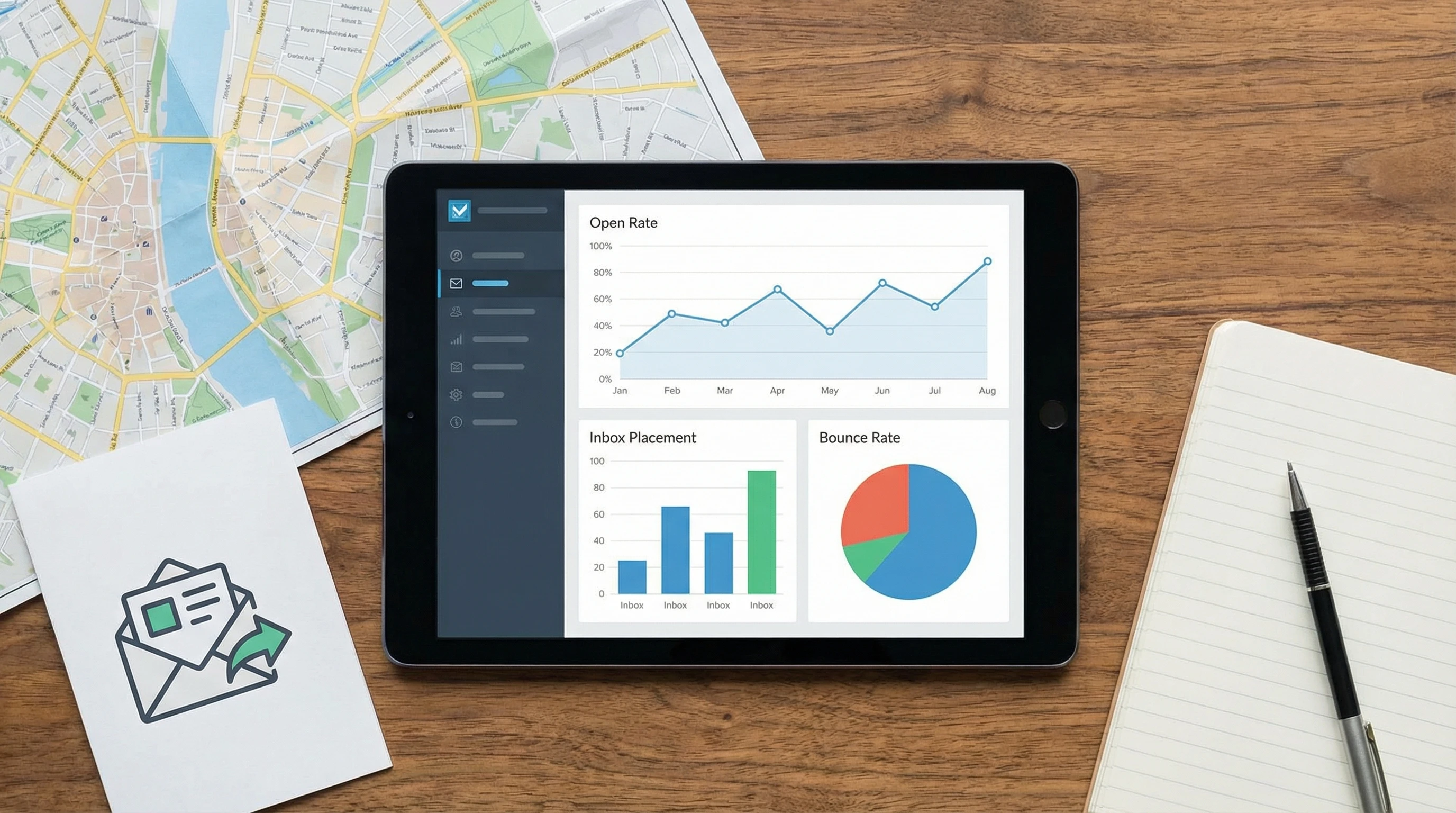
Inbox placement refers to whether your emails show up in the main inbox, land in spam or vanish into promotions tabs. This is the main metric to figure out if your message is going where it should. Some local newsletter platforms come with inbox placement reports, while others rely on third-party tools. If placement looks off, it’s a sign to dig into things a bit deeper.
How to Track It
I use seed list testing or deliverability dashboards for quick insights. If you see a spike in spam placement, it’s time to review list quality, sender reputation or even your subject lines. A deliverability tool like Zero-Bounce comes in handy for these spot-checks. Regularly looking at placement reports can help you catch issues before they grow into bigger problems.
Open Rate… More Than Just a Click
What Is Open Rate?
Open rate measures how many subscribers actually opened your email after it landed in their inbox. It’s easy to get obsessed with this number, but for local newsletters, it’s especially useful for understanding if your subject lines grab attention or if your sender name looks familiar.
How Should I Use Open Rate?
Open rates fell in reliability after Apple’s privacy updates, but I still look for sudden changes. If your average open rate drops sharply, that usually means emails aren’t reaching the inbox or your content needs a refresh. Comparing open rates from different neighborhoods or lists can show what really speaks to your local readers. I always track how special events or on-brand subject lines influence these numbers.
Bounce Rate
What Counts as a Bounce?
A bounce is when an email can’t be delivered to a subscriber. Hard bounces are permanent (think fake or deleted emails) while soft bounces are temporary (maybe a full mailbox). Local lists often deal with changing community emails, so keeping an eye on bounces avoids wasted sends.
Why Is Bounce Rate Important?
High bounce rates will lower your future deliverability since mailbox providers use this as a trust signal. I make it a habit to clean my list after every send, removing addresses that bounce a few times. This keeps my sender reputation strong and reduces the chance of getting blocked entirely. Also, keeping bounce rates low helps your newsletter stay in the primary inbox instead of slipping into spam.
Spam Complaints
What Happens When Someone Marks You as Spam?
When someone hits “Report Spam,” most mailbox services flag your sender domain. Too many complaints and you could find yourself in the spam folder for everyone, not just that person. Even one local subscriber marking a newsletter as spam can throw off deliverability for your whole list.
How to Address Spam Complaints
I always include a visible unsubscribe link and make sure readers know how they got signed up. Sending what neighbors expect, like timely updates, local deals and community news, also lowers complaints. If the complaint rate spikes, it’s worth checking if you mixed up your content, subject lines or list sources. Sometimes sending to an old list or changing your usual topics can cause folks to hit spam, so I pay close attention here.
Click-Through Rate (CTR)
Why Does CTR Matter for Deliverability?
CTR tracks how many people actually clicked a link in your email. For local newsletters, high clicks usually mean readers are involved and interested in events, announcements or partner shoutouts. A healthy CTR signals to email providers that your content is valuable, so it supports better inbox placement. CTR also points out what your audience wants to see more of, shaping your future content planning.
Ways I Use CTR Data
If a newsletter gets lots of opens but few clicks, I know to rework link placement or tweak calls to action. I also look at which types of local stories, deals or tips draw the most clicks… this feeds into my next issue’s content planning. Comparing CTRs over time shows clear patterns about what works and what doesn’t, so I can make each edition stronger than the last.
Unsubscribe Rate
When to Worry About Unsubscribes
Unsubscribes happen, but big jumps can be a sign your recent emails aren’t resonating. For local lists, it can also mean your newsletter feels too generic or you’re sending too often. I pay special attention after changing sending frequency, design or topics. Keeping your content relevant and making sure you aren’t flooding inboxes helps keep unsubscribes low.
How I Adjust After Unsubscribes
I review feedback if people leave a comment during the unsubscribe process. Sometimes small adjustments, like shorter intros, more local shoutouts or easier navigation, bring these numbers back down. I also try segmenting my list to send different content to different neighborhoods or interest groups. That way, each subscriber gets more of what they actually care about, making it less likely they’ll want to leave.
Other Metrics That Help Deliverability
Forwarding and Shares
When subscribers forward your local newsletter or share it, that’s a win for trust and reach. Some ESPs (email service providers) can track how often your email is forwarded. Higher forwards show strong relevance, which helps with future deliverability. Encouraging readers to share important or fun content can really pump up community involvement and support healthy inbox placement.
Spam Trap Hits
Spam traps are fake emails set up by ISPs to catch spammers. If you’re hitting these, you might have some bad addresses on your list. Cleaning out old or purchased contacts is super important for keeping traps off your radar. Regularly using list hygiene tools will help keep your sending reputation in good shape and your emails landing where they should.
Keeping Your Local Newsletter Deliverable
Deliverability relies on a bunch of moving parts. Tracking these metrics after each send helps me spot trouble early and keep my local newsletter front and center for readers. The more you act on these insights, the more reliable your delivery and engagement will be over time. In addition to the basics, try to test different sending days or times, experiment with subject lines and watch how your readers respond. Keeping your email reputation intact might take extra effort, but it pays off with every issue you send.