
If you’re someone curious about staying in the loop with what’s happening right around your neighborhood, you’ve probably heard of both local newsletters and local newspapers. They both sound pretty similar, but there are real differences between them, especially in how they deliver news, who creates them and how they fit into everyday life. I want to help clear things up by explaining what sets them apart, what each is great for and which might be the better fit for you if you want to stay connected with your community.
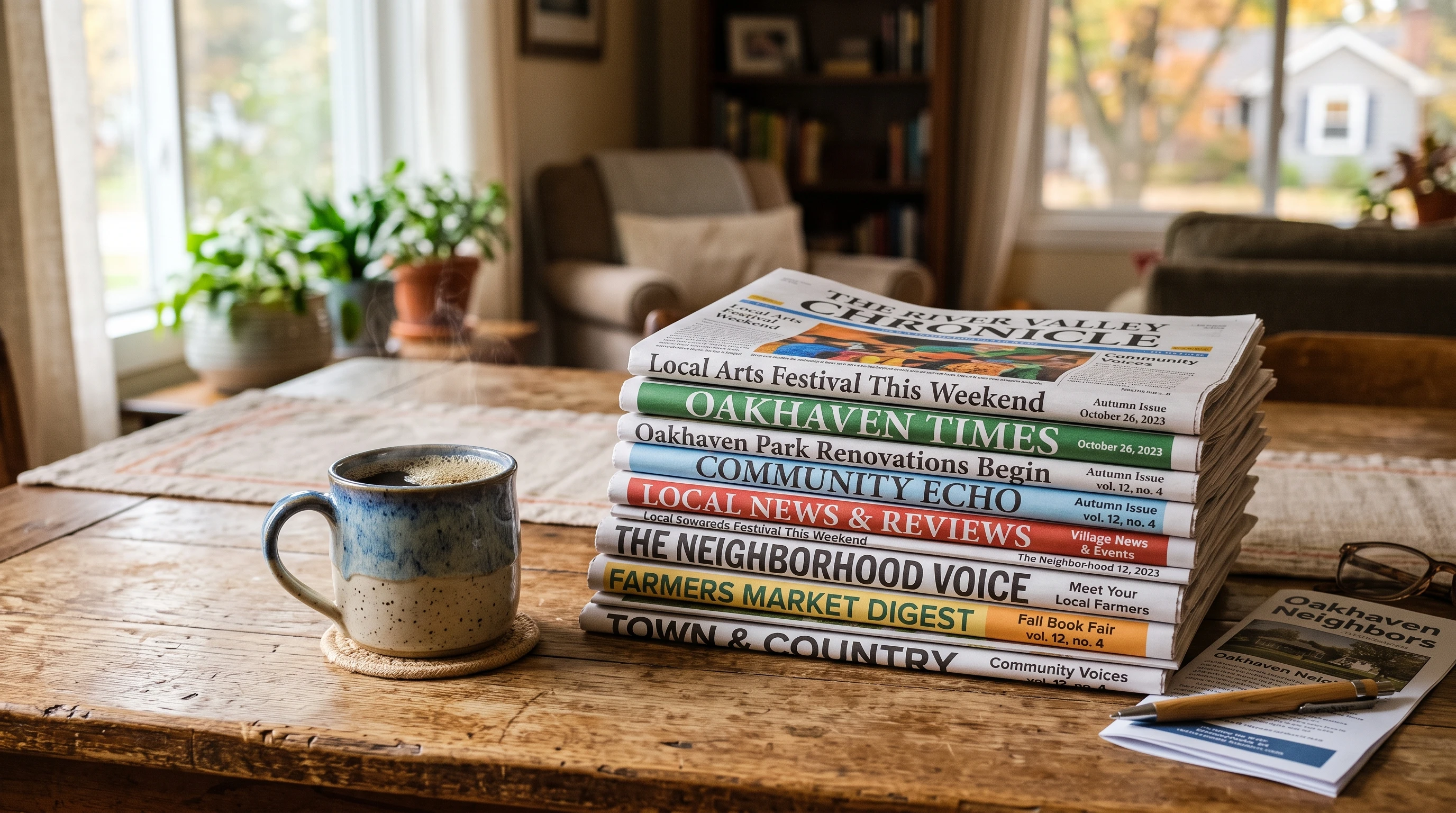
Defining Local Newsletters and Local Newspapers
It’s pretty easy to think “newsletter” and “newspaper” are just two words for the same thing, but there’s a bit more to it. Here’s how I see it after following a bunch of both over the years.
- Local Newsletter: Usually a digital publication, sometimes print, created by a person, a small group or an organization. These come straight to your inbox or sometimes your mailbox. They’re often short, super focused on one or two topics and feel more personal or casual in their writing.
- Local Newspaper: Traditionally printed (though many now have websites), often produced by a team or professional company. These tend to cover a broad range of topics, everything from town meetings and sports to obituaries. They stick to a more formal style and go deeper into local reporting.
One look at your neighborhood paper and a community email will usually show off these differences pretty quickly.
The Main Difference: Content and Coverage
The easiest way for me to tell the two apart is how they decide what counts as “news.”
- Newsletters: These tend to focus on really specific topics, like upcoming events, school news, local volunteers or time sensitive announcements. The style is more conversational and you sometimes get personal notes from the writer (like an editor’s thoughts or recommendations).
- Newspapers: These usually have sections, news, sports, opinions, classifieds and more. Newspapers dig deeper, with interviews, investigations and experienced reporters helping cover stories. They’re more likely to print letters to the editor and official announcements from local government.
How Local Newsletters Are Made and Shared
Local newsletters can be run by almost anyone… a single neighbor, a school PTA, a nonprofit or even a small business. Some are sent out weekly, others maybe just once a month. Most are digital these days, using tools like Mailchimp or Substack because they’re easy to manage and cost very little. Sometimes groups print out paper versions and hand them out at coffee shops or libraries or leave them in mailboxes.
The vibe is usually casual, sort of like reading a friendly email from someone who knows your neighborhood. There’s lots of practical info, like reminders for street cleaning days, library story times or farmers market hours. Photos, event invites and links to more resources are common too. Newsletters might shout out local heroes or highlight new businesses, giving a sense of connection to readers. Occasionally, they even include quick opinion pieces by locals or invites for feedback on neighborhood projects.
How Local Newspapers Are Produced and Delivered
Newspapers, even when they’re small, are a little more formal in their setup. Here’s a breakdown of what goes into them…
- Typically have a staff… writers, editors, photographers and maybe even a publisher.
- Come out on a regular schedule (daily, weekly or sometimes biweekly).
- Are printed on newsprint and delivered to homes, sold at stands or made available at local businesses. Most now also have digital editions.
- Include a broader editorial process, with steps like fact checking, editing and sometimes review by legal teams for bigger stories.
This structure helps newspapers provide more in depth coverage and journalistic balance. They often work to be unbiased, giving the facts and letting readers decide for themselves. Besides covering hard news, newspapers also publish feature stories, opinions and sometimes special investigative pieces. This depth gives newspapers an important place in local accountability and historic recordkeeping.
How Readers Interact With Each
How you read a newsletter or a newspaper can feel pretty different.
- With newsletters, you’re usually reading on your phone or computer, clicking through short articles or blurbs. You might even respond directly to the person who sends it, making it feel sort of like a back and forth conversation. Readers often reply with tips or news and sometimes newsletter creators share user submitted content in later editions.
- With newspapers, you’re holding a stack of pages or browsing a website with longer stories. You might interact by sending in a letter to the editor or commenting online, but it’s less about conversation and more about reporting and responding.
In addition, some communities use both forms together, with newspapers referencing stories first mentioned in newsletters and vice versa. This connection helps create a loop where news and feedback move more freely.
What’s Each Good For?
Both newsletters and newspapers can help you keep up with the latest, but their strengths are a little different.
- Local Newsletters: Super useful for event reminders, meeting invitations, hyperlocal recommendations and fast updates (say, a last minute parade cancellation). They’re great when you want something short, sweet and delivered right to you. Plus, newsletters often tell you about community workshops, give friendly reminders for civic duty or share opportunities for volunteering.
- Local Newspapers: Better for bigger stories, local politics, school board decisions or seeing what’s happening across a whole town or city. Newspapers often cover the “why” and “how,” digging into the context behind news. They also keep a formal record of local life, which can be pretty handy for future reference. Newspapers sometimes include investigative reports and archives important historical milestones for the community.
Cost and Access
Local newsletters are usually free. Most organizers just want to get the word out and keep the community together. Some groups accept donations or run small ads to pay for hosting or printing. Signing up is easy; usually, you just add your email or grab a copy at a local spot.
Local newspapers, on the other hand, are often supported by subscriptions, advertisers or sales in stores. Digital versions might offer a limited number of free articles per month, though many still rely on paid subscriptions to keep their reporting going. Having a steady income helps newspapers keep up the level of coverage their communities need.
While newsletters make it easy for all ages and backgrounds to stay up to date, newspapers offer more extensive archives, perfect for anyone researching their community’s past. This difference in access reflects the balance between personal touch and formal reporting in these formats.
Challenges for Both
Both have their own set of hurdles these days.
- Newsletters: The biggest challenge is visibility and reach. Since they’re often run by small teams or individuals, getting enough subscribers can be tricky. It’s tough to cover everything happening nearby without a bunch of people helping out. Inboxes get crowded, so sometimes these newsletters go unseen.
- Newspapers: Printing and delivery costs, declining subscriptions and competition from online news are common struggles. Many local newspapers have moved online or reduced their print schedule to cut costs, so their reach isn’t quite what it used to be. Finding ways to maintain quality and keep up with digital trends is a constant challenge for these outlets.
Despite these hurdles, both play a part in keeping local democracy and neighborly connections alive. I’ve found checking both sources gives a more detailed picture of what’s going on nearby.
Typical Examples and When Each Shines
- Neighborhood Association Newsletters: Might share updates about block parties, lost pets or new businesses opening on the corner. They sometimes include local history blurbs or highlight young achievers in the area.
- Local Newspapers: Cover election news, school sports scores, in depth interviews with local leaders and official notices that communities rely on. They are also a platform for obituaries, milestones or announcements of civic projects.
I know some people who swear by their monthly newsletter for local event reminders, but always pick up the Sunday paper to see investigative stories and get the scoop on city planning decisions. Using both ensures you don’t miss out on details that matter, from citywide developments to festivities happening just around the corner.
Real World Impact
When something big happens nearby, like a new development project or a change in school district policies, you’ll probably read about it in the local paper first, with reporters dissecting what’s at stake and who’s affected. But if you want to know where the best food trucks are setting up this weekend or which neighbor is hosting a book swap, newsletters are your best bet.
Both formats actually work really well together, filling in gaps that the other might miss. Some newspapers even send out their own newsletters to help readers get the headlines by email. Meanwhile, newsletters often link back to newspapers for deep dives and broader reporting. This teamwork benefits communities by making sure everyone stays informed on multiple levels.
Frequently Asked Questions About Local Newsletters and Newspapers
What’s better if I only want major news stories?
Newspapers tend to be best for major stories; bigger coverage, longer articles and more resources for journalism.
Do you need to pay for local newsletters?
Nope, most are free, but some special interest or premium versions might have a paid option to help cover costs or support local causes.
How do I find a local newsletter or newspaper near me?
A quick web search with your town’s name and “newsletter” or “newspaper” usually turns up something useful. Community centers, coffee shops and libraries often have print copies or signup sheets for newsletters.
Can one replace the other?
Not really. Each has its strengths. Using both gives you more coverage and makes sure you don’t miss out on hyperlocal info or bigger news developments.
Final Thoughts
Choosing between a local newsletter and a local newspaper comes down to what kind of info you want and how you want to get it. If you prefer bite sized updates, quick reminders and a personal approach, newsletters are a good choice. If you want in depth articles and a bigger view of what’s happening across your town or city, a local newspaper will have more to offer. For a full view of your community, considering both is a smart move; you get the convenience and neighborhood feel of newsletters and the robust reporting of newspapers, all working together to keep you in the know.
Your breakdown of how newsletters and newspapers actually complement each other instead of competing really stood out to me. I’ve noticed a lot of smaller towns relying heavily on Facebook groups now, but those can get pretty messy with rumors and missed updates.
Have you seen any local newsletters successfully partner with traditional papers to fact-check or expand on community stories? I’m curious if there’s a good model out there where the casual newsletter vibe and the formal reporting side actually work together on the same piece.
Well that is the cool thing about owning your own newsletter, you control all of that. You will find a segment of the community that love what you are doing… and if they don’t, they are free to unsubscribe. Local newsletters reflect a lot on the editors values. For myself… I love to provide curated content with additional articles that reflect my own views of life and the community.